Carpet
all time
India is the world's largest exporter of handmade carpets, commanding roughly 40% of the global market and exporting 85-90% of its production, valued at over US$2 billion annually. Key exports include silk, wool, and jute rugs, primarily destined for the US, Germany, and the UK. Key Markets: The United States is the top destination, accounting for roughly 40% to 60% of India's total exports, followed by Germany, the UK, Australia, and the UAE. Major Products: Key products include handmade carpets, silk carpets, woollen rugs, druggets, and durries.
Why Indian?
Choosing an Indian carpet is a decision to invest in centuries-old craftsmanship, unmatched durability, and unique artistic, cultural value. India is a global leader in handmade rugs, with renowned hubs like Kashmir, Bhadohi, and Jaipur producing pieces that often become family heirlooms, blending Persian-influenced designs with local artistry.
Uses & Applications
Generational Craftsmanship: Many Indian carpets are hand-knotted by artisans who have passed down their skills through generations. Longevity: Hand-knotted wool rugs can last for decades—often 30 years or more—making them a superior long-term investment compared to machine-made options. Superior Materials: Indian carpets utilize high-quality natural materials, including durable wool from the Himalayas, soft silk for luxury, and strong cotton for backing. High Knot Density: The intricate hand-knotting process results in a dense, tight weave that resists wear and tear
Characteristics
Varieties
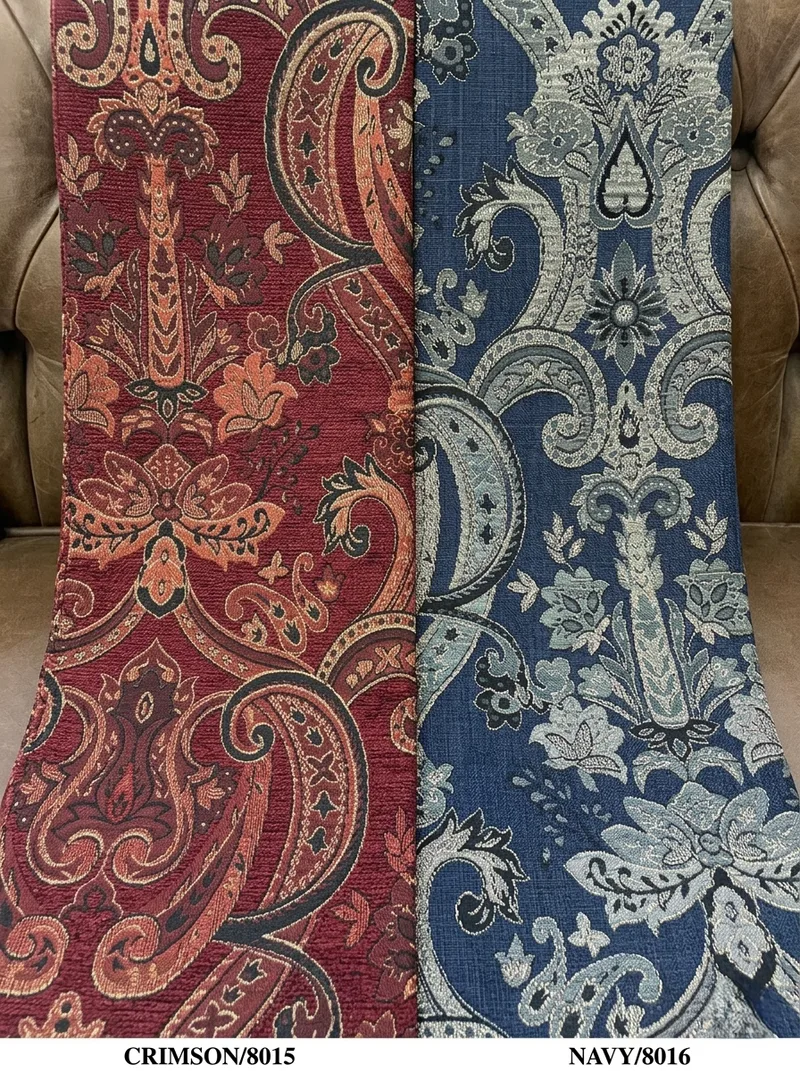
They represent luxury, status, and heritage, with regions like BhadohiKashmir, and Jaipur crafting intricate designs in silk and wool.
Specifications
Packaging
Preparation: Carpets are vacuum-sealed to reduce volume and shipping costs, then wrapped in protective layers to prevent damage. Materials: Conventional packaging uses plastic, but there is a shift toward sustainable, cost-effective alternatives due to international bans on certain plastics. Common materials include LDPE bags, liner bags, and tamper-proof bags. Structural Support: Sturdy, spiral-wound tubes are used for rolling to prevent creases or damage during transit.
Trust & Quality
Related Products
Curtains
📍 Across India
India is a major global exporter of curtains, with exports of curtains, drapes, and interior blinds reaching approximately $114 million in 2023. The United States is the primary market, accounting for over 40% of these exports. Key products include cotton and embroidered curtains
Candles
📍
Indian candles are characterized by vibrant colors, intricate designs, and rich, aromatic scents often inspired by traditional Indian elements like sandalwood, jasmine, saffron, and spices. They range from handmade, eco-friendly soy wax jar candles to decorative pillars and festive, scented designs, often featuring cotton wicks and long-burning, paraffin-based formulations
Hanging plant
📍 across india
Ideal Varieties: Popular choices include the hardy Golden Pothos, air-purifying Spider Plant, cascading String of Pearls, heart-shaped String of Hearts, and trailing Philodendron. Light & Maintenance: Most prefer bright, indirect light, though some, like Philodendrons, tolerate lower light. They generally require moderate watering, with succulent types needing less.