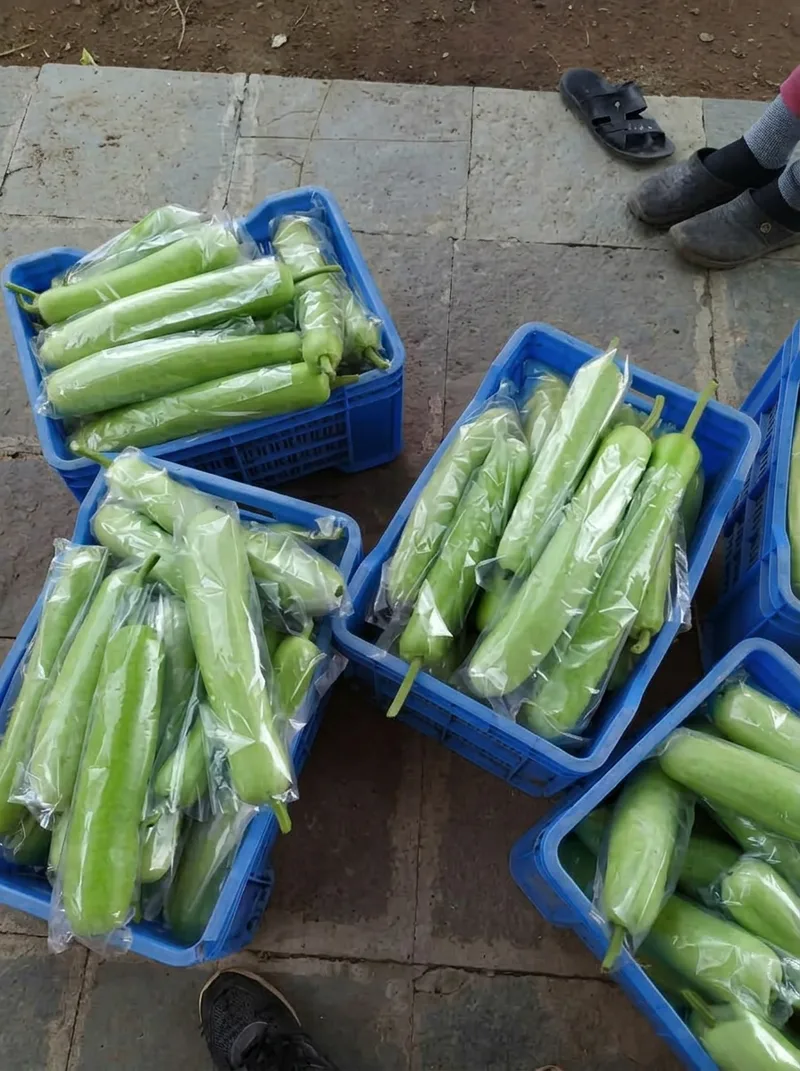
Bottle Gourd (Lauki)
All over India
The best growing seasons are during spring and summer or from February all the way till October just before the monsoon. The production drops in May-June due to severe heat, lack of water and heavy insect pressure as they suck on the leaves due to lack of moisture in the soil.
Sourced from All over India, Bottle Gourd can be either harvested young to be consumed as a vegetable or harvested mature to be dried and used as a utensil.
Why Indian?
Dual-purpose vegetable/utensil from traditional Indian agriculture
Benefits
Mild flavor, firm texture, traditional multi-purpose plant
Uses & Applications
Bottle gourd (Lagenaria siceraria), or lauki, is a highly nutritious, low-calorie vegetable (92% water) used for hydration, weight loss, digestive health, and managing diabetes or blood pressure. It is commonly consumed as juice, in soups, or curries. It also acts as a natural diuretic and detoxifier.
Characteristics
Health & Nutrition
Nutritional Value
Bottle gourd (Lagenaria siceraria), or lauki, is a highly nutritious, low-calorie vegetable (92% water) used for hydration, weight loss, digestive health, and managing diabetes or blood pressure. It is commonly consumed as juice, in soups, or curries. It also acts as a natural diuretic and detoxifier
Medicinal Properties
Bottle gourd (Lauki) is a highly nutritious, low-calorie vegetable (90%+ water) used medicinally for hydration, detoxification, and managing lifestyle diseases. Rich in fiber, potassium, and antioxidants, it aids in weight loss, improves digestion, regulates blood pressure, and supports liver health.
Specifications
Packaging
Bottle gourd for export is typically packed in ventilated, durable, and food-safe packaging designed for long-term cold storage. Common options include corrugated cartons, plastic crates, mesh bags, or jute bags
Safety Information
bitter-tasting gourds contain toxic compounds called cucurbitacins that can cause severe vomiting, diarrhea, gastrointestinal bleeding, and, in rare cases, fatal poisoning. Always taste a small raw piece before consuming; if bitter, discard immediately.
Trust & Quality
Related Products
Green Chilli
📍 All over India
Green Chilli is another staple of Indian culinary gamut. After grasses, chilli peppers are perhaps the most diversified organic item with many varieties.
Lemon
📍 India
Indian Limes for export Indian lime (citrus) for export, primarily Citrus aurantifolia, is recognized for being 100% fresh, organic, and rich in Vitamin C, with a vibrant green color. Sourced largely from regions like Tamil Nadu, these limes are handpicked, washed, and packed using refrigerated, climate-controlled logistics for international markets like the UAE, UK, and Bangladesh
Okra (Lady's Fingers)
📍 Tropical and warm regions of India
Sourced from the tropical and warm regions of Indian, Okra is a perennial vegetable of immense popularity in India. Its fibrous roots and pods containing round white seeds transform into thick glutinous slime when cooked. India is the world's largest producer of okra (bhindi/ladyfinger), contributing over 60-70% of global production. In 2023, India's production was 7.158 million metric tons. India is also a leading global exporter of fresh okra, with significant shipments to the UK, Kuwait, and Germany etc