Lemon
India
All Time
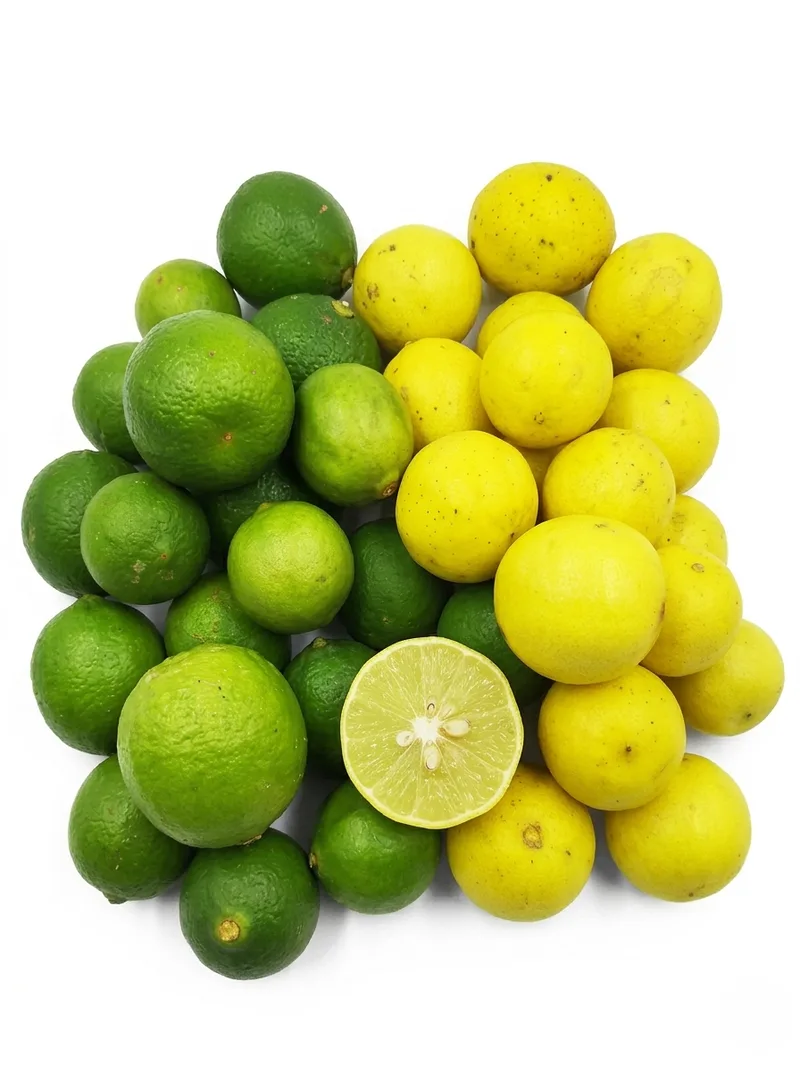
Indian Limes for export Indian lime (citrus) for export, primarily Citrus aurantifolia, is recognized for being 100% fresh, organic, and rich in Vitamin C, with a vibrant green color. Sourced largely from regions like Tamil Nadu, these limes are handpicked, washed, and packed using refrigerated, climate-controlled logistics for international markets like the UAE, UK, and Bangladesh
Why Indian?
leading global producer, and the superior quality of its GI-tagged varieties, and strong, growing demand in international markets. Indian limes are known for their high juice content, strong aroma, and long shelf life.
Uses & Applications
Indian lime, particularly the popular Kagzi nimbu (thin-skinned) and sweet lime (Musambi), is a staple in Indian households, valued for its culinary, medicinal, and household uses. It is a major source of Vitamin C and citric acid, used widely to enhance flavors and maintain health
Characteristics
Health & Nutrition
Nutritional Value
Indian lemons are providing roughly 29-36 kcal, 2g-3g of fiber, and about 50 mg of Vitamin C per 100g, covering over 85% of daily needs. They are high in water, citric acid, and antioxidants, boosting iron absorption and immunity while promoting digestive health.
Medicinal Properties
Indian lemon is a staple in Ayurvedic medicine and daily diets, offering significant medicinal value through high Vitamin C and citric acid content. Key benefits include strengthening immunity, aiding digestion (acting as a detoxifier), improving skin health, managing weight, and reducing the risk of kidney stones
Specifications
Packaging
Indian lemon packed by ventilated cartons (6.5 kg to 20 kg) for export and domestic transport to maintain freshness, with net bags and gunny bags (5 kg–20 kg) also used. Key methods include pre-cooling at 8°C–12°C for 12-15 hours, strapping boxes, and using refrigerated containers for 5-6 day sea transit.
Safety Information
Indian lemons are safe and nutritious in moderation, but their high acidity (pH 2) requires precautions to avoid tooth enamel erosion, heartburn, and skin irritation. Key safety tips include diluting juice in water, using a straw, rinsing your mouth afterward, and avoiding excessive consumption on an empty stomach.
Trust & Quality
Related Products
Green Chilli
📍 All over India
Green Chilli is another staple of Indian culinary gamut. After grasses, chilli peppers are perhaps the most diversified organic item with many varieties.
Okra (Lady's Fingers)
📍 Tropical and warm regions of India
Sourced from the tropical and warm regions of Indian, Okra is a perennial vegetable of immense popularity in India. Its fibrous roots and pods containing round white seeds transform into thick glutinous slime when cooked. India is the world's largest producer of okra (bhindi/ladyfinger), contributing over 60-70% of global production. In 2023, India's production was 7.158 million metric tons. India is also a leading global exporter of fresh okra, with significant shipments to the UK, Kuwait, and Germany etc
French Beans (Faras Beans)
📍 Across India
Sourced from across India, Faras or Green beans can be sold fresh. They can be consumed in a variety of ways; raw or steamed, boiled, stir-fried, or baked.