Home/Products/Drumsticks
Back to Products
Drumsticks preview 1
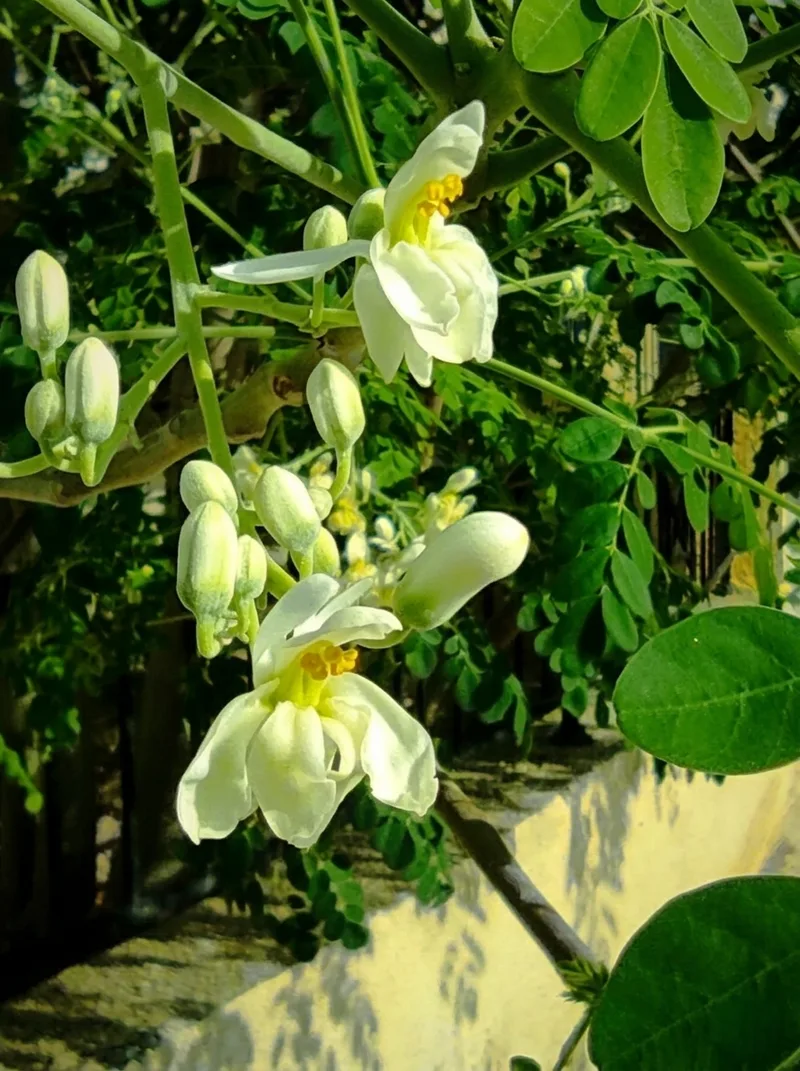
India is the world's largest producer of drumsticks (Moringa oleifera), accounting for about 50% of global production, with Tamil Nadu and Andhra Pradesh as leading producers. The plant is generally safe and highly nutritious (rich in antioxidants, potassium, vitamins), but moderation is advised due to potential laxative effects and blood pressure interactions.
Vegetables

Drumsticks

Origin

All over India

Season

Drumstick (Moringa) season in India primarily peaks during spring and summer (February to May), with a secondary smaller harvest often occurring in the monsoon/autumn months (July to October). Peak availability and the best prices for these nutritious pods are usually found in March and April

Drumstick refers primarily to the long, slender, green seed pods of the Moringa oleifera tree, widely used as a nutritious, fibrous vegetable in South Asian cuisine. It has a slightly earthy, delicate flavor, with soft pulp and small seeds inside, commonly used in curries, sambar, and soups.

Request Quote

Characteristics

Texture:Drumstick (Moringa) pods are a seasonal, nutrient-rich vegetable with a unique tender-crisp texture when fresh, typically peaking during the summer months in India (March–June). Young, fresh pods are tender enough to bend, while mature pods become woody and fibrous.
Appearance:Drumstick pods (Moringa oleifera) are in peak season in India primarily from July to October, with a second, smaller harvest often occurring in March to April. They are considered a warm-season crop, thriving in temperatures between 25-35°C, and are widely available, especially in South India.
Flavor:Drumstick (Moringa) season brings fresh, slender green pods that are known for their mild, slightly sweet, and earthy flavour, often compared to asparagus or green beans. The peak season for harvesting these pods in India is generally during the warmer months, specifically from March to May, and again between July and October.

Health & Nutrition

Nutritional Value

Raw drumstick pods (100g) are a nutrient-dense, low-calorie food, providing approximately 37-40 kcal, 2.1g protein, 8.5g carbs, 3.2g fiber, and 0.2g fat. They are exceptionally high in Vitamin C (~141mg) and provide good amounts of potassium, calcium, and iron.

Medicinal Properties

Drumstick (Moringa oleifera), often called a "miracle tree," is highly medicinal, packed with antioxidants, vitamins A and C, calcium, and iron. It boosts immunity, lowers blood sugar, reduces joint pain (arthritis), improves digestion, and protects cardiovascular health due to its anti-inflammatory and anti-bacterial properties. Here are the key medicinal uses of the drumstick plant (leaves, pods, and roots): Immune System & Respiratory Health: High in vitamin C and antioxidants, it combats infections, common colds, and coughs.

Cultural Significance

The drumstick, derived from the Moringa oleifera tree (often called the "miracle tree" or "tree of life"), holds immense cultural, culinary, and medicinal significance, particularly in India, South Asia, and Africa. Known as Murungai in Tamil, Sahjan in Hindi, or Shigru in Sanskrit, this plant is deeply embedded in traditional life as a staple vegetable, a cornerstone of Ayurvedic medicine, and a symbol of nourishment and resilience

Specifications

Weight100 to 130gm
Length0

Packaging

Drumstick (Moringa) vegetable packaging commonly utilizes bulk methods like gunny bags (20-50 kg) for local transport, while export-quality, premium, and retail packaging involves ventilated corrugated cartons, plastic bags, and crates. Packaging helps prevent moisture loss, with shelf life ranging from 7 to 20 days for fresh produce

Safety Information

Drumsticks (Moringa oleifera pods) are widely considered safe for consumption and highly nutritious, but they require proper handling and moderation to avoid adverse effects. The pods are usually cooked rather than eaten raw, and they offer high fiber, vitamins A, C, K, and essential minerals.

Additional Information

Product page returned 404 error - may be temporarily unavailable or URL changed

Trust & Quality

100% Authentic
Premium Quality
Global Export
Natural Source

Product Specifications

General Specifications

MaturityDrumstick (Moringa) trees are rapid growers, with pods reaching culinary maturity for harvest in 6–8 months from planting. Prime harvesting involves selecting bright green, tender, and slightly soft pods (roughly 1–2 feet long) before they become rigid, fibrous, or develop brown, hard seeds.
Storage TemperatureDrumsticks (Moringa pods) are highly perishable, but with proper storage, they can be kept fresh for 7 to 15 days, or up to 6 months if frozen. They are considered a nutrient-dense, superfood vegetable rich in calcium, iron, and vitamins.
Country of Originindia

Packaging Details

MaterialCorrugated Boxes: High-strength, corrugated, and ventilated cardboard boxes are used for exporting fresh, perishable drumsticks (moringa). Plastic/Polythene Bags: Used to maintain moisture and prevent spoilage for fresh, organic drumsticks. Mesh Bags: Green Net Bags (HDPE material) are commonly used for packaging 5kg or more of drumsticks for better breathability. Key Features: These packages are designed for moisture resistance, ventilation to prevent rotting, and often include custom branding for export, ensuring the produce remains fresh.
Box SizesDrumstick export packing typically utilizes sturdy, ventilated corrugated cardboard cartons, with 5kg net weight boxes being the standard for air freight to minimize bruising, while 10kg boxes are also used. Boxes are usually designed for lengths of 18–30 inches
Pack SizesDrumstick (Moringa) export packaging primarily utilizes 5kg, 10kg, and 20kg corrugated boxes or specialized cartons designed for air freight. The products are often packed in 4kg, 4.5kg, or 5kg net weight boxes to ensure premium quality during transit, with 40-50kg packing often used for bulk or lower-grade shipments

Shipping Information

40ft Container LoadabilityPerishability & Transport: Fresh drumsticks are highly perishable and must be exported via air freight to ensure they reach destinations within 24-72 hours, maintaining a total shelf life of 7-10 days. Temperature Control: An unbroken cold chain is essential. The ideal transit temperature is 5-8°C (41-46°F). Packaging: Standard packaging involves well-ventilated Corrugated Fibreboard (CFB) boxes, typically in 5 kg, 7 kg, or 10 kg packs, often with individual cushioning for each pod to prevent bruising.