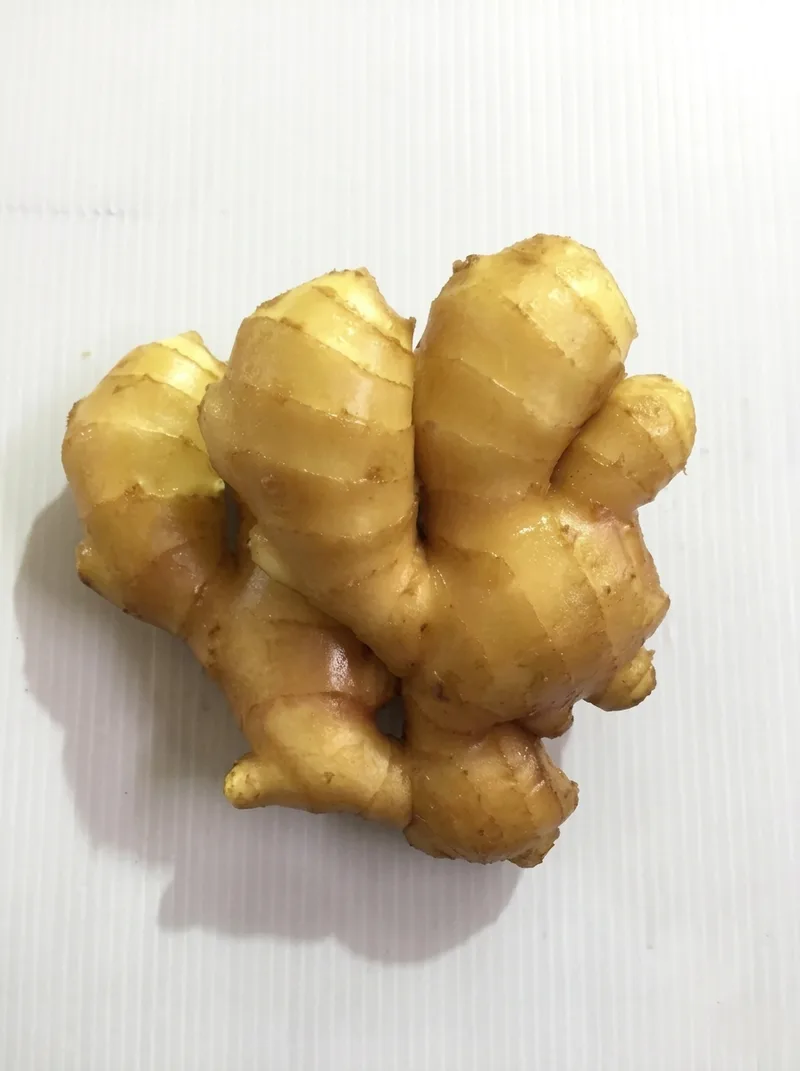
Ginger
Across India
Ginger is a long-season early spring (March–May) and harvested 8–10 months later in winter, often between December and February when leaves turn yellow and die back. It thrives in warm, humid condition requiring consistent moisture and well-draining soil to develop its pungent rhizomes.
Sourced from across India in wide variety and number, the inseparable bond of Ginger and Garlic in paste form is elemental in defining the culinary ardor of India.
Why Indian?
Elemental in defining the culinary ardor of India
Benefits
Filled with antioxidants, used for centuries as curing agent to relieve pain, prevents loss of appetite, motion sickness, natural pain reliever
Uses & Applications
Ginger is a versatile root used to treat nausea (motion sickness, pregnancy), aid digestion, reduce inflammation/joint pain, and alleviate cold symptoms. It is commonly used in cooking (curries, teas, stir-fries, desserts) and in forms like fresh, dried powder, or supplements.
Characteristics
Health & Nutrition
Nutritional Value
Raw ginger root (100g) is low in calories (approx. 80 kcal) and consists primarily of water (79g), carbohydrates (18g), fiber (2g), and small amounts of protein and fat. It is a good source of manganese and potassium, along with bioactive compounds like gingerol.
Medicinal Properties
Ginger (Zingiber officinale) is a potent medicinal root widely used to alleviate nausea (morning sickness, motion sickness, chemotherapy), improve digestive health by boosting motility, and reduce pain/inflammation associated with osteoarthritis and menstrual cramps. It contains bioactive compounds like gingerol that offer anti-inflammatory and antioxidant benefits
Packaging
Whole Ginger packaged as per buyer's requirements
Safety Information
Ginger is generally safe in food, but daily consumption should be limited to 3–4 grams (up to 1g for pregnancy) to avoid side effects like heartburn, diarrhea, and mouth irritation. High doses may interact with blood thinners, blood sugar medication, and blood pressure meds. Consult a doctor if you have gallstones or are pregnant
Additional Information
Ginger (Zingiber officinale) is a cornerstone of Indian cuisine, medicine, and agriculture, with India being the world's largest producer, contributing over 45% of global output in 2023. Known as Adrak (fresh) or Sonth (dried) in Hindi, it is deeply integrated into Ayurvedic traditions and everyday cooking
Trust & Quality
Related Products
Green Chilli
📍 All over India
Green Chilli is another staple of Indian culinary gamut. After grasses, chilli peppers are perhaps the most diversified organic item with many varieties.
Lemon
📍 India
Indian Limes for export Indian lime (citrus) for export, primarily Citrus aurantifolia, is recognized for being 100% fresh, organic, and rich in Vitamin C, with a vibrant green color. Sourced largely from regions like Tamil Nadu, these limes are handpicked, washed, and packed using refrigerated, climate-controlled logistics for international markets like the UAE, UK, and Bangladesh
Okra (Lady's Fingers)
📍 Tropical and warm regions of India
Sourced from the tropical and warm regions of Indian, Okra is a perennial vegetable of immense popularity in India. Its fibrous roots and pods containing round white seeds transform into thick glutinous slime when cooked. India is the world's largest producer of okra (bhindi/ladyfinger), contributing over 60-70% of global production. In 2023, India's production was 7.158 million metric tons. India is also a leading global exporter of fresh okra, with significant shipments to the UK, Kuwait, and Germany etc