Pumpkin
Across India
Yellow pumpkins generally hit peak season during early autumn, specifically from September to October, though they are often available through early winter. They are harvested 75–110 days after planting, thriving when the skin is hard and golden-yellow.
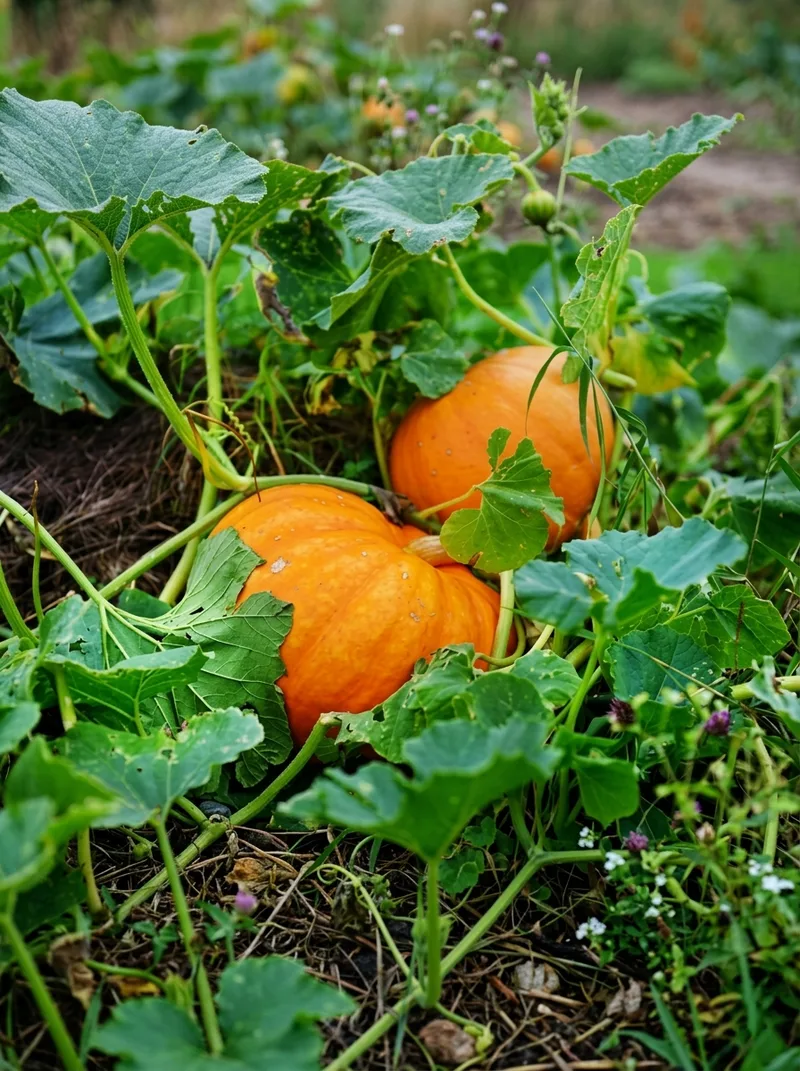
Sourced from across India, pumpkin is a cultivar of winter squash that is round with smooth, slightly ribbed skin. Pumpkin is mostly deep yellow to the extent of being orange and sports a rough peel.
Why Indian?
Rich in vitamins, minerals and antioxidants
Benefits
Incredibly healthy, low calorie content makes it weight-loss-friendly, boosts immune system, protects eyesight
Uses & Applications
Yellow pumpkin, known for its sweet, mild flavor and vibrant color, is a highly versatile, nutrient-dense ingredient used extensively in both sweet and savory dishes, as well as for decorative purposes. It is rich in beta-carotene (Vitamin A), Vitamin C, fiber, and potassium.
Characteristics
Health & Nutrition
Nutritional Value
Yellow pumpkin (kaddu) is a highly nutritious, low-calorie, and nutrient-dense food, particularly rich in beta-carotene (precursor to Vitamin A), which supports vision, skin health, and immunity. One cup of cooked pumpkin (245g) contains 49 calories, 2g protein, 12g carbs, 3g fiber, and significant amounts of vitamins A, C, E, and potassium.
Medicinal Properties
Yellow pumpkin (yellow-orange pulp) is a highly nutritious, low-calorie food packed with beta-carotene (Vitamin A precursor), potassium, fiber, and Vitamin C. Its medicinal value includes boosting immunity, improving vision, promoting heart health, aiding digestion, and potentially reducing risks of certain cancers.
Specifications
Packaging
Yellow pumpkins for export are typically packed in 5kg, 10kg, or 17kg net/mesh bags or Corrugated Fiberboard (CFB) boxes to ensure ventilation, with a storage temperature of 7–8°C. Key export varieties include Disco, featuring yellow-to-green skin, with 2-3 weeks shelf life.
Safety Information
Yellow pumpkins (and similar winter squashes) are best stored whole in a cool, dry, dark, and well-ventilated location, such as a pantry, basement, or garage. Under these conditions, uncut yellow pumpkins can remain fresh for 2–3 months
Trust & Quality
Related Products
Green Chilli
📍 All over India
Green Chilli is another staple of Indian culinary gamut. After grasses, chilli peppers are perhaps the most diversified organic item with many varieties.
Lemon
📍 India
Indian Limes for export Indian lime (citrus) for export, primarily Citrus aurantifolia, is recognized for being 100% fresh, organic, and rich in Vitamin C, with a vibrant green color. Sourced largely from regions like Tamil Nadu, these limes are handpicked, washed, and packed using refrigerated, climate-controlled logistics for international markets like the UAE, UK, and Bangladesh
Okra (Lady's Fingers)
📍 Tropical and warm regions of India
Sourced from the tropical and warm regions of Indian, Okra is a perennial vegetable of immense popularity in India. Its fibrous roots and pods containing round white seeds transform into thick glutinous slime when cooked. India is the world's largest producer of okra (bhindi/ladyfinger), contributing over 60-70% of global production. In 2023, India's production was 7.158 million metric tons. India is also a leading global exporter of fresh okra, with significant shipments to the UK, Kuwait, and Germany etc