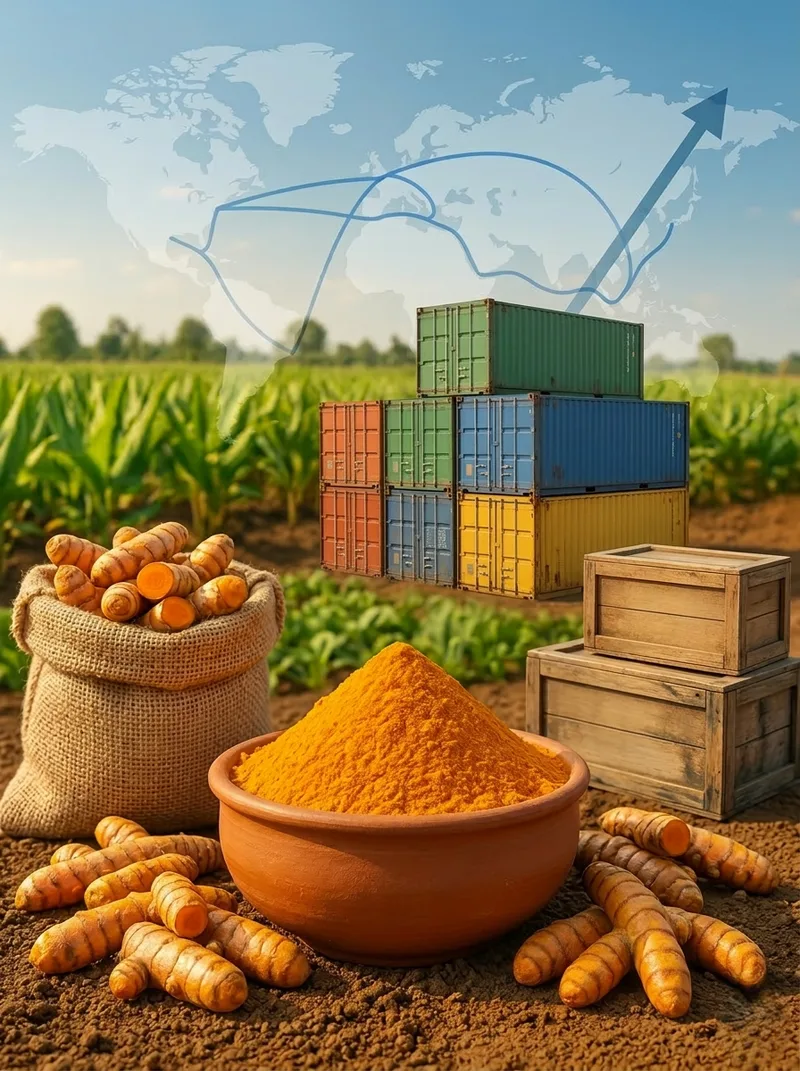
Turmeric Powder (Haldi)
indian
In India, the turmeric harvest season, when fresh rhizomes are harvested and processed into powder, runs from January to March. Planting typically occurs from April to August, depending on the region and monsoon onset, with the crop taking 7 to 9 months to mature.
Indian turmeric powder (Haldi) is a staple, bright yellow-orange spice derived from dried Curcuma longa rhizomes. Known for its earthy, slightly bitter, and woody flavor, it is used globally for its, warm, mustard-like aroma. High in curcumin, it is essential for coloring curries,, dal, and pickles
Why Indian?
Indian turmeric powder (often called haldi) is used for its potent medicinal, culinary, and cosmetic properties, deeply rooted in Ayurveda for over 4,000 years. The main active compound, curcumin, is a powerful anti-inflammatory and antioxidant that provides significant health benefits
Benefits
Indian turmeric powder, rich in the compound curcumin, is a potent anti-inflammatory and antioxidant agent with diverse health benefits. It supports joint health, boosts immunity, aids digestion, enhances brain function, and promotes glowing skin. For maximum absorption, it is often consumed with black pepper or healthy fats
Uses & Applications
Indian turmeric powder (haldi) is a staple spice used primarily for its earthy flavor, vibrant yellow color, and antioxidant-rich curcumin in curries, dals, and marinades. It is a potent Ayurvedic remedy for immunity, digestion, inflammation, and skin care (acne/face packs). It is widely used in warm milk or tea for colds
Characteristics
Health & Nutrition
Nutritional Value
Indian turmeric powder is highly nutritious, packed with curcumin (1–6%), essential oils, and minerals per 100g. It contains roughly 350-390 kcal, 70-75g carbohydrates, 6-8g protein, 3-10g fat, and 19-21g dietary fiber. It is rich in iron, manganese, and potassium, with zero cholesterol.
Medicinal Properties
Indian turmeric powder, rich in the compound curcumin, is a potent, traditional Ayurvedic remedy used for its powerful anti-inflammatory, antioxidant, and antiseptic properties. It is used to treat arthritis pain, skin issues (acne, eczema), improve digestion, boost immunity, support heart health, and manage blood sugar levels
Specifications
Packaging
Indian turmeric powder export requires secure, moisture-proof, and food-grade packaging to maintain quality, with popular options including 25kg PP/paper bags with inner liners for bulk, and PET jars or stand-up pouches for retail. Key export markets include Iran, Bangladesh, USA, and the UAE, with regulations demanding proper labeling
Safety Information
ead Contamination: Some, but not all, turmeric powder in India is adulterated with lead chromate to improve its color and weight, which can cause serious, irreversible health issues like neurological damage, high blood pressure, and kidney issues. Source of Contamination: The problem is most common in loose, unrefined turmeric powders and, to a lesser extent, in some lower-quality packaged brands.
Trust & Quality
Related Products
Cumin Seeds
📍 Cumin seeds are primarily cultivated in arid, hot climates, with India producing roughly 70%–90% of the world's supply, particularly in the Gujarat and Rajasthan regions
Cumin seeds (Cuminum cyminum) are small, elongated, yellowish-brown dried fruits (schizocarps) with 5-9 prominent longitudinal ridges and a pungent, warm, earthy flavor. As a staple spice in Indian, Middle Eastern, and Mexican cuisines, they are used whole or ground, often featuring in curry powders, stews, and soups.
Mustard Seeds
📍 india
Mustard seeds are small, pungent, round seeds from the Brassica plant family (related to broccoli and cabbage), widely used as a spice and for producing vegetable oil. Available in yellow, brown, and black varieties, they offer a sharp, tangy flavor and are commonly used in tempering (tadka) for Indian dishes or in making condiments.
Clove Pods (Lavangam)
📍 Cloves (Syzygium aromaticum) are not originally native to India, but rather to the Molucca Islands (Spice Islands) of Indonesia. They were introduced to India around 1800 A.D. by the East India Company, which established early clove cultivation in Courtallam, Tamil Nadu
Indian clove is the aromatic, air-dried,, unopened flower bud of the Syzygium aromaticum tree, widely cultivated in Southern India (Tamil Nadu/Kerala). It is characterized by a dark brown, nail-like shape, strong, pungent, sweet, and hot flavor, and high oil content (primarily eugenol). It is essential in Indian cuisine, Ayurveda, and for its antiseptic/numbing properties.